
Few accomplishments are as rewarding as waking up in the morning and hitting your target weight. You've worked hard to drop those unwanted pounds all year long, and you deserve a huge round of applause for what you've accomplished. However, if you're like many men and women, getting the sleek, sculpted body you crave is easier said than done. You've got pockets of unwanted fat around your abdomen, thighs, chin, and other areas - fat that just won't go away, despite diet and exercise.
Wouldn't it be nice to just freeze that fat away and forget all about your love handles?
At Southern Cosmetic Laser, our new, revolutionary fat-freezing treatment can help you achieve the toned look you've been dreaming of. That's right - we're talking about literally freezing the unwanted fat off your problem areas without invasive surgeries or extended downtime.
This amazing treatment is called CoolSculpting, and it's the world's leading non-invasive fat reduction procedure. It's specifically designed for people already at their desired weight who want to push past that plateau for real body sculpting results. If you're tired of seeing that excess belly fat, saggy skin, or double chin, CoolSculpting is the procedure for you. Southern Cosmetic Laser offers a wide range of the newest technologies to target fat reduction, skin tightening, facial and body remodeling, body toning, and cellulite reduction.
Our Services
- CoolSculpting in North Charleston, SC
- Southern Cosmetic Laser's CoolSculpting Procedure
- Top CoolSculpting Treatment Areas
- Questions About CoolSculpting? We've Got Answers
- Popular Treatments That Complement CoolSculpting
- Discover CoolSculpting Precision and Unlimited Beauty with Southern Cosmetic Laser
Services Area

What is CoolSculpting?
CoolSculpting is an FDA-approved procedure that has undeniable results. With CoolSculpting, you can permanently get rid of your muffin top, fat around your flanks, and more, all from the comfort and convenience of the Southern Cosmetic Laser office.
Technically known as cryolipolysis, CoolSculpting has the ability to reduce the number of fat cells in targeted areas between 20 and 25%. This unique technology uses controlled cooling to freeze and eliminate fat with minimal recovery time. No needles, no scalpels, no liposuction. Just real results provided by a licensed, experienced professional.
While CoolSculpting helps eliminate fat cells in your body, it doesn't harm the surrounding skin and muscles. Instead, it treats fat that is directly under the skin, also called subcutaneous fat. Since CoolSculpting doesn't target visceral fat deposits, this treatment works best for men and women who are approaching or already at their desired weight.
CoolSculpting is approved by the FDA to help reduce fat in the following areas:
- Flanks
- Outer Thighs
- Upper Arms
- Inner Thighs
- Chin
- Back
- Belly and Abdomen
How Does CoolSculpting Work?
CoolSculpting results are noticeable, proven, and long-lasting, helping you look your best and feel great from every angle. This exciting procedure works because fat cells freeze at higher temps than other tissues. As such, CoolSculpting delivers controlled, targeted cooling to do away with unwanted fat underneath your skin. These fat cells are essentially frozen or crystallized and eventually die. With time, your body will process that fat and will eliminate the dead cells, leaving behind a more sculpted physique.
Here are some quick CoolSculpting facts at a glance, so you have a better idea of why this fat cell elimination treatment is so popular:
- There is no prep time required for CoolSculpting from Southern Cosmetic Laser.
- Patients can expect some very minor discomfort during the procedure. Many patients report no discomfort at all.
- There is little-to-no downtime needed after your CoolSculpting procedure is complete.
- It may take up to 12-16 weeks to see your final results.
- This procedure eliminates fat permanently!
Southern Cosmetic Laser's CoolSculpting Procedure
Our CoolSculpting procedure is crafted around your comfort, with one-on-one attention in a relaxing atmosphere. It all starts with a detailed assessment, which you will complete prior to your treatment. This assessment will help us better understand your goals and desires, so we can freeze away the stubborn fat from the areas that matter most.
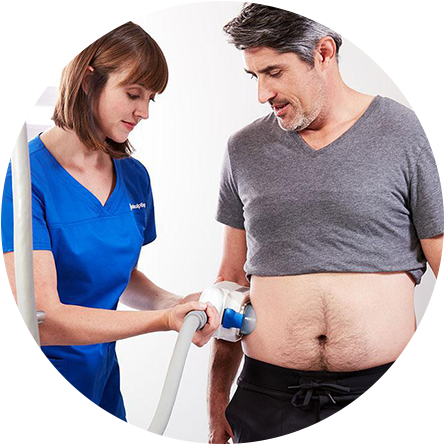
Typical CoolSculpting appointments take about an hour per area, though that time varies with each patient. Because our CoolSculpting applicators use a vacuum system to help with placement, you may feel a pulling sensation in the targeted area. Once placement is complete, we get to work on freezing your fat.
Before treatment, your skin is prepped with an alcohol wipe. A gel pad is then placed on your treatment area to help protect your skin. From there, a cold sensation is delivered through our applicators, which are designed for specific body parts.
Because there is no sedation involved with CoolSculpting, we encourage you to kick back, relax, and watch a little TV. If you prefer, you can also read or use your phone to check your favorite social media sites. Our friendly, experienced CoolSculpting technicians strive to keep you as comfy as possible during this quick treatment. When it's over, you can resume normal activities as soon as you like - there's no recovery or downtime to worry about!
Top CoolSculpting Treatment Areas
CoolSculpting procedures are perhaps best known for eliminating stubborn belly fat, giving the patient a desirable, contoured tummy. However, this treatment is also very effective on other areas of your body:

CoolSculpting for Your Double Chin
While neck fat usually goes hand-in-hand with weight gain, symptoms like double chins can appear even if you're not overweight. CoolSculpting helps solve neck fat problems by eliminating fat cells in the area below your chin, giving you a slim, youthful appearance.

CoolSculpting for Unwanted Belly Fat
Many men and women begin CoolSculpting treatments to destroy fat around the abdomen or midsection. CoolSculpting does so by freezing stubborn subcutaneous fat in the abdominal region, resulting in a trimmed-up tummy. Remember, CoolSculpting does not treat visceral fat, or the fatty tissue surrounding the organs in your abdomen.

CoolSculpting for Your Back
Back fat is a serious problem for many people in the U.S. This includes the upper back (where fat rolls over the bra), the mid-back (near the waist), and the lower back (where fat bulges over the beltline). Back fat can be hard to tone, but with CoolSculpting from Southern Cosmetic Laser in North Charleston, it's more than possible.

CoolSculpting for Your Upper Arms
When it comes to stubborn fat, your upper arms are often the most difficult areas to treat. If you are constantly trying to hide your upper arms from friends and family, CoolSculpting is an excellent option to help overcome your insecurity.

CoolSculpting for Your Love Handles
Sometimes called saddlebags or flanks, love handles are the flabby areas that protrude from your hips. Love handles are often caused by fat retention over long periods of time. They can appear very pronounced in tight clothing, leading to feelings of embarrassment. Common factors that contribute to love handles are age, slow metabolism, hormones, and diets high in sugars and fats. With Southern Cosmetic Laser's CoolSculpting, patients leave behind stubborn love handles, helping them achieve a slimmer, more fit appearance.

CoolSculpting for Your Thighs
If you are in good shape but suffer from chafing or discomfort due to fatty thighs, your solution could be at Southern Cosmetic Laser. Our technicians can help freeze away inner thigh fat, so you feel proud to wear skirts, shorts, and bikinis.

Questions About CoolSculpting? We've Got Answers
Q: Does CoolSculpting really work?
A: Yes! Southern Cosmetic Laser wouldn't be one of the most trusted providers of the treatment if it didn't work. According to recent statistics, CoolSculpting treatments can reduce fat reduction by as much as 25% in the affected area. Contact our office today for your initial consultation, where our team will advise you on how many treatments you need to meet your goals.
Q: How much does CoolSculpting cost?
A: Pricing varies depending on the areas you focus on and how many sessions you need in order to reach your goals. Our team will craft a custom treatment plan specific to you during your initial CoolSculpting consultation.
Q: How quickly will I see results?
A: Many patients can see results as soon as three weeks after their first CoolSculpting procedure in North Charleston. As your body continues to dispose of crystallized fat cells, you can see even more changes with time.
Q: Does CoolSculpting eliminate cellulite?
A: CoolSculpting is designed for fat reduction. However, it may help contribute to cellulite reduction in specific treatment areas. There are currently no FDA clearances for cellulite reduction with CoolSculpting. However, our office offers incredible treatments like Inmode Evolve to reduce the appearance of cellulite and trim, tighten, and tone your skin.
Q: Why should I choose Southern Cosmetic Laser for CoolSculpting in North Charleston?
A: Southern Cosmetic Laser is a CoolSculpting certified practice and has completed advanced training at the CoolSculpting University. With a highly-trained staff of medical professionals, we're one of the leading providers of CoolSculpting in South Carolina. We know that peace of mind is precious these days. That's why we're committed to you and your body contouring transformation every step of the way.
Popular Treatments That Complement CoolSculpting
We are a full-service practice offering Medical Aesthetics and Cosmetic Dermatology services. As such, Southern Cosmetic Laser has several innovative treatments that complement your CoolSculpting procedure. Whether you're looking to tighten up that turkey neck or say goodbye to cellulite, we've got a custom treatment option waiting for you.
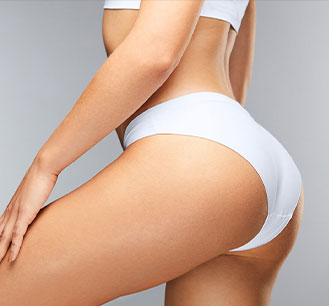
Cellulite Treatment with Sentient Sculpt
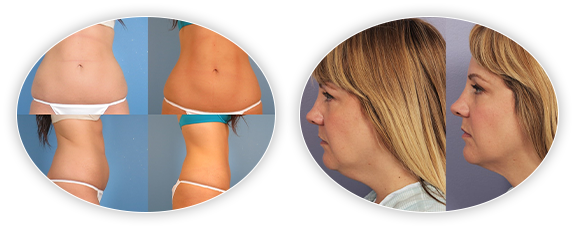
Southern Cosmetic Laser is North Charleston's first medical aesthetics practice to offer Sentient Sculpt. This exciting new product reduces fat, remodels skin tissue, and regenerates skin collagen, leaving your skin tight and smooth.
Using microwave technology, Sentient Sculpt uses up to 80% of the energy generated to penetrate fat under your skin. This process destroys fat cells and the fibrous bands that cause dimples, or cellulite. The remaining 20% of energy is used on the upper layers of your skin, tightening and contracting it to improve its overall appearance.
Sentient Sculpt benefits include:
- Long-Lasting Results
- Improved Skin Laxity
- Effective Skin Tightening & Fat Reduction
- Fat Cells Permanently Destroyed
- Younger Looking Skin
- Minimal Discomfort
- Built-In Cooling for Maximum Comfort
Contact Southern Cosmetic Laser today to learn more about the benefits of Sentient Sculpt and how it can be paired with CoolSculpting treatments.
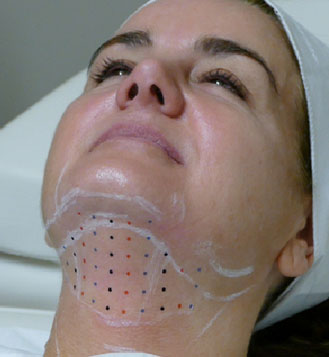
Kybella for Your Double Chin
If you're ready to kiss that double chin goodbye, Kybella could be the solution you need. Kybella is a treatment that deoxycholic acid that breaks down fat cells when injected into the treatment area. It provides noticeable results for improved chin profile.
Kybella Benefits Include:
- Permanent destruction of fat cells
- Quick treatment process
- Patients may see results in 2 to 4 treatments
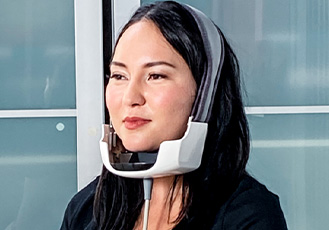
Facial Remodeling with Inmode Evoke
Inmode Evoke is the first and only FDA-approved, non-invasive product for facial remodeling treatment. Evoke offers tightening and lifting for facial rejuvenation and can help you achieve a more defined neck and jawline.
The Evoke Intelligence System regulates temperature and sense impedance every millisecond, providing remarkable results. Using proven bipolar radiofrequency energy, Evoke sub-dermally remodels your facial tissue. The Evoke technology offers precise, consistent power to achieve optimal results.
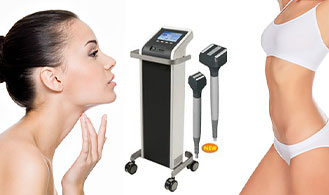
Tite, Trim, & Tone with Inmode Evolve
This advanced, state-of-the-art Thermal Body Contouring Technology helps to trim, tighten, & tone your skin at the same time. Evolve's cutting-edge tech can destroy fat, reduce cellulite, and tighten skin. The result? A newfound, youthful appearance and feel. This treatment is perfect for your mommy makeover, eliminating muffin tops, sculpting abs, and addressing fat around your thighs, belly, arms, legs, hips, and knees.
Benefits of Inmode Evolve include:
- Tone and Tighten Skin
- Eliminate Fat Cells
- Reduce Crepey Skin
- Reduce Saggy Skin
- Collagen Stimulation for Improved Skin Elasticity
- Smooth Over Stubborn Fat Pockets
- Even Out and Reduce Skin Irregularities
Contact Southern Cosmetic Laser today to learn more about the benefits of Inmode Evolve and how it can be paired with CoolSculpting treatments.
Discover CoolSculpting Precision and Unlimited Beauty with Southern Cosmetic Laser
When it comes to unmatched patient care and body contouring services in North Charleston, no other practice comes close to Southern Cosmetic Laser. We pour passion into every service we offer, from non-surgical fat cell freezing to laser hair removal. If you're looking to make a change for the better this year, we're here to make your wishes a reality. Contact our office today to learn more about the stunning benefits of CoolSculpting technology. Before you know it, you'll be excited to show off that new bathing suit or bikini on the beach.
 843-277-2240
Free Consultation
Latest News in North Charleston, SC
Board of Architectural Review approves demolition of College Lodge
Anna Harrishttps://www.live5news.com/2024/04/24/city-charleston-does-not-recommend-college-lodge-demo-despite-college-request/
CHARLESTON, S.C. (WCSC) - A former College of Charleston dorm is one step closer to being demolished.The city’s Board of Architectural Review approved the demolition of the College Lodge with a 2-1 vote during Wednesday night’s meeting.The College Lodge, located at 159 Calhoun St., is the previous Downtowner Motor Inn. The building has been a housing option for College of Charleston students since the 1960s until it closed last spring.After a ...
CHARLESTON, S.C. (WCSC) - A former College of Charleston dorm is one step closer to being demolished.
The city’s Board of Architectural Review approved the demolition of the College Lodge with a 2-1 vote during Wednesday night’s meeting.
The College Lodge, located at 159 Calhoun St., is the previous Downtowner Motor Inn. The building has been a housing option for College of Charleston students since the 1960s until it closed last spring.
After a previous deferral, so they could have more time to gather information, the request to approve the demolition of College Lodge went in front of the city of Charleston’s Board of Architectural Review on Wednesday.
Robert Summerfield, the director of planning, preservation and sustainability for the City of Charleston, says this building is one of the last examples of a mid-century modern style downtown.
“Based on our ordinance, from a staff perspective, this is not meeting the test for recommendation for demolition,” Summerfield said.
Summerfield says the architectural, cultural and contextual elements are too positive to warrant the demolition. So, in turn, they could renovate the entire interior instead. However, the College of Charleston tells them it’s not that quick of a decision.
“They are not sure if they can economically make that work for what they need in student housing,” Summerfield said.
Regardless of whether or not it’s demolished, the college plans to keep it as a dorm. According to Wednesday’s presentation, a new building would cost about $31.4 million.
“Finding housing on campus is very difficult,” College of Charleston sophomore, Ryan Ciliento, said. “With the dorms, they get filled up very quickly. And the houses that are here are very expensive.”
The housing crisis has led Ciliento and sophomore Savannah Magee in a different direction.
“They ended up having to lease out a hotel because there wasn’t enough housing,” Magee said. “So, me and about 40 other students are living in there.”
They both say demolishing College Lodge could be a negative.
“It would be cleaner and better, but I think it would take too long that in the meantime it would create a serious problem,” Ciliento said.
The College of Charleston says they remain concerned about the structural integrity of this building but did not want to make any additional comment until the Board of Architectural Review has reviewed the plans.
When it comes to other future housing options, Summerfield says Charleston City Council has already approved replacing the YWCA with a new dorm.
As of now, there’s no timeline for when College Lodge might be gone for good.
Magee wants the Board of Architectural Review and the college to think about them.
“Just consider the students and the priority of housing because it’s a very big necessity right now,” Magee said.
You can watch the Board of Architectural Review’s meeting, here.
Copyright 2024 WCSC. All rights reserved.
Fresh Market gets to work on Mount Pleasant store; new gym coming to North Charleston
Teri Errico Griffishttps://www.postandcourier.com/business/fresh-market-planet-fitness-north-charleston-restaurant-gym-mount-pleasant/article_789f5ae4-fe82-11ee-bd0c-07fc1e9a43d0.html
A highly talked-about grocery store could be opening in Mount Pleasant in 2025.Construction is underway on the area’s first The Fresh Market in Bowman Place Shopping Center at 1118 Bowman Place, between Dick’s Sporting Goods and DSW.Peter Stone, a senior planner with the town, said the design and all permits have been granted to move the project forward.The Fresh Market did not respond to requests for comment, but employees a...
A highly talked-about grocery store could be opening in Mount Pleasant in 2025.
Construction is underway on the area’s first The Fresh Market in Bowman Place Shopping Center at 1118 Bowman Place, between Dick’s Sporting Goods and DSW.
Peter Stone, a senior planner with the town, said the design and all permits have been granted to move the project forward.
The Fresh Market did not respond to requests for comment, but employees at the neighboring DSW shoe store said they’ve been told the store is expected to open in 2025.
Some of the parking in the Bowman Place lot has now been fenced off for construction, while inside the store, workers are breaking ground and tearing up the concrete floor that previously housed Kitchen & Co.
The Fresh Market signed a deal last year to slip into the 26,000-square-foot space that was originally to be occupied by a discount grocer: Lidl added 6,000 square feet and a loading dock but never opened its doors at Bowman Place.
The Fresh Market, based in Greensboro, N.C., has assumed the remainder of the 15-year lease Lidl signed around 2021, with an option to extend the terms for another 15 years, according to Charleston County real estate records.
The chain has nine grocery stores in South Carolina, including three along the coast in Hilton Head, Pawleys Island and Myrtle Beach.
Not judging
Out with the old and in with the new.
Following the closing of Gold’s Gym at 5101 Ashley Phosphate Road in North Charleston, a Planet Fitness will be taking over for its third location in the city.
A spokesperson for the Hampton, N.H.-based chain said it’s tentatively scheduled to open in the late summer or early fall.
”We are looking forward to helping the North Charleston community improve their physical and mental wellness in our newest judgement free zone,” the spokesperson said.
Planet Fitness operates more than 50 gyms in South Carolina, according to its website .
Ciao, Bella
An Italian eatery inside Citadel Mall will close April 30.
The small-scale Bella Roma serves up favorites like chicken parmesan, fettucine alfredo and cannoli to go. Owners Fabio and Barbara Spadaro shared news of the closing on their Facebook page .
The duo will not be opening any other local ventures, citing “For family reasons we decided to go back to Italy. We invite everyone to support us until the end of the month.”
Kitchen upgrade
A kitchen, bath and closet design center will open a new Charleston location April 25.
The Designery Charleston, owned by Nate Van Valkenburg, is ready for launch at 1217 Remount Road. Inside the showroom, customers can personally design their kitchen and view finish selections for 100 cabinet styles.
Van Valkenburg also owns a Window Hero and a Yard Patrol Pros in the area, which along with The Designery Charleston are franchised by HomeFront Brands.
Market makers
The Carnes Crossroads Farmers Market in Goose Creek returns April 26 from 5 to 8 p.m.
The event, which takes place every fourth Friday through September at 513 Wodin Place, features more than 50 vendors, including local farmers and entrepreneurs, as well as live music and food trucks.
A week later, on May 4, the fourth annual Ravenel Depot Farmers Market will be starting back up at 5775 S.C. Highway 165 at the town’s train depot. It takes place on the first and third Saturday of the month through Dec. 14 from 9:30 a.m.-1 p.m.
In addition to live music and food trucks, roughly 20 vendors will be on hand with fresh produce, breads and baked goods, local crafts, artwork and more.
Going green
A South Carolina commercial landscape business is growing more than grass.
The Greenery Inc. is expanding its footprint with a new branch at 5080 Coosaw Creek Blvd. in North Charleston.
The company offers commercial landscape services to resorts, municipalities, industrial and commercial businesses, planned communities and more in Greenville and Spartanburg, as well as Bluffton, Beaufort, Savannah and Hilton Head Island, where it was started in 1973.
The company also has Florida offices in Jacksonville, Amelia Island and Daytona.
“We have been serving the Charleston market since 1999,” CEO Lee Edwards said. “It’s the second-largest market that we are in, and we think it’s going to be a huge part of our future through our strategic plan and our employee-owned leadership.”
N. Charleston argues plans for former Baker Hospital site, fate in council hands
Caitlin Ashbaughhttps://www.live5news.com/2024/03/12/n-charleston-argues-plans-former-baker-hospital-site-fate-council-hands/
NORTH CHARLESTON, S.C. (WCSC) - The future of land in North Charleston lies in the hands of city council members, and it’s a breath of relief for concerned community members and a strain for the company urging its industrial use.The city council will be the next step forward for the proposed plan after a request to rezone two parts of the former Baker Hospital property on the Ashley River. They will vote on whether the land will be rezoned from R-1 residential to M-2, heavy industrial and M-1, light industrial.The city&rs...
NORTH CHARLESTON, S.C. (WCSC) - The future of land in North Charleston lies in the hands of city council members, and it’s a breath of relief for concerned community members and a strain for the company urging its industrial use.
The city council will be the next step forward for the proposed plan after a request to rezone two parts of the former Baker Hospital property on the Ashley River. They will vote on whether the land will be rezoned from R-1 residential to M-2, heavy industrial and M-1, light industrial.
The city’s Planning Commission on Monday voted 5-1 to deny the recommendation to rezone before passing it onto council - saying it didn’t align with the best interest of the city’s comprehensive plan, the location to the Ashley River and the public interest of surrounding neighborhoods.
The land, defined as a brownfield, is a property, the expansion, redevelopment, or reuse of which may be complicated by the presence or potential presence of a hazardous substance, pollutant, or contaminant, the Environmental Protection Agency says.
“We don’t need industry in our living rooms. We don’t need to breathe the fluid of industry in our neighborhoods. We don’t need to be impacted negatively that way,” Union Heights resident Skip Mikell says.
The Charleston County Parks and Recreation Commission and Sea Fox Boats have a 90-year lease with the goal of building a manufacturing plant on 11 acres of the 46-acre property. Sea Fox Boats owner Freddy Renken says they plan to bring 200 or more jobs to the area and will fund the construction of a waterfront public park.
The commission says rent paid by Sea Fox Boats and its dry stack marina would offset operations and maintenance for the park. Nothing has been finalized or started because this is in a due diligence phase.
The park itself would have the following amenities:
Renken did not speak at the meeting but a company lawyer shared insight on his behalf:
“What is there not to want about this? To turn a brownfield into a park that provides jobs and an economic engine. With Sea Fox Boats, the City of North Charleston will be able to build planes, cars, boats. I think that is pretty cool,” Ronald Richter says.
Despite the push for approval, a resounding “no” was heard from a crowd of North Charleston homeowners and supporters. They say the company never shared its plans with surrounding neighborhoods and businesses, including Union Heights, Chicora-Cherokee and Accabee.
Mayor Reggie Burgess also pushed for a full recreational park option to be considered following the initial plan release.
Charleston County Parks states in this press release they planned on releasing public input meeting dates in early 2024. As of now, no updates have been provided.
The commission released the following statement:
The Charleston County Park and Recreation Commission (CCPRC) recently entered into a public-private partnership with the locally-owned Sea Fox Boat Company at its Ashley River site. The company is in a two-year due diligence phase, which includes addressing zoning and permitting issues.
Per the partnership, Charleston County Parks would continue to own the entire property, with tenant Sea Fox funding the creation and maintenance of the future public park. This would allow Charleston County Parks to develop and operate the park without taxpayer funds. Because of the site’s history as the former Baker Hospital and as a phosphate processing plant, it has created a brownfield that will require costly environmental efforts to make it suitable for recreational use.
The future county park would offer residents green space and views of the Ashley River. Other possible amenities at the park include a fishing/crabbing dock, trails, playground, splash pad, shelter for camps or programs, and unique event space. Public input meetings will be held to learn what the communities would like to see on the site. Once the zoning process has been completed, we will determine the timeline for the public input meetings.
Seventeen people spoke in opposition to the plan. Neighbors say adding the plant would not benefit their community in terms of work or play and are asking for the area to be solely a park.
“The neighborhoods we represent have some of the lowest unemployment rates in North Charleston. Chicora-Cherokee specifically has a 2.9 unemployment rate, which means our people are already working,” KJ Kearney says.
The planning commission stated in the agenda item they recommended denial because they believe the property’s location to the Ashley River makes the plant unfeasible and there is a “lack of support” to the city’s comprehensive plan.
Sea Fox Boats argues the area they are requesting rezoning for is on a brownfield, the former site of a phosphate processing plant and hospital, which would need environmental maintenance to make the area suitable for recreational purposes or greenspace.
North Charleston natives say they remember the smells, the sights and the feelings of growing up near the former plant and the concerns it raised for health and wellness.
“Those people don’t live here. So whatever damage they do, they leave at the end of the shift and go home. We live here and if there’s anything that we can do to prevent that kind of thing reoccurring. We’re going to do so,” Mikell says.
The site was donated to Charleston County Parks in 2015 by Charleston residents Michael and Jenny Messner of the Speedwell Foundation. The organization did not respond to a request for comment.
“The owner of that property is the Charleston County Parks and Recreation. Their purpose for being is to create parks, preserve and protect greenspaces,” Richter says. “We are not looking for the high bidder here, we are looking for the perfect partner to clean this place and make it a place of pride.”
The discussion will now go before city council starting on April 11 for its first reading. The next opportunity for public input will be on April 18.
For more information on the project, click here.
Copyright 2024 WCSC. All rights reserved.
15 Essential Coffee Shops in Charleston
Erin Perkinshttps://carolinas.eater.com/maps/best-coffee-in-charleston-free-wifi-charleston
Can't start the morning/afternoon/life without a large cup of caffeine? Try one of these local coffee purveyors for a fix. Whether it's free wifi or a cozy atmosphere, there's a place for each need. Read MoreEater maps are curated by editors and aim to reflect a diversity of neighborhoods, cuisines, and prices. Learn more about our editorial process.A s...
Can't start the morning/afternoon/life without a large cup of caffeine? Try one of these local coffee purveyors for a fix. Whether it's free wifi or a cozy atmosphere, there's a place for each need.
Eater maps are curated by editors and aim to reflect a diversity of neighborhoods, cuisines, and prices. Learn more about our editorial process.
A savior for the citizens of Park Circle, The Orange Spot Coffeehouse supplies caffeine to North Charleston. The setting recently expanded with a new address but maintains the same cozy atmosphere. Try the cha yen, a traditional Thai iced tea.
Not only does Owlbear make an excellent cold brew or a iced caramel macchiato (if you’re into that), but this cafe puts out filling bagel sandwiches, waffles, and fancy grilled cheeses.
The Harbinger is a whimsical space full of plants, Instagram-worthy shelves full of treasures, and cozy seating. The coffee drinks are creative, like the maple latte or the Jack Rudy espresso tonic, but do not miss the baked goods — customers are instantly hooked on creations like a take on Rice Krispy Treats with puffed brown rice, tahini, and chocolate. Check out the sister cafe Harken when visiting the heart of downtown.
In addition to expertly prepared espresso drinks, Mercantile offers free wifi, plentiful seating, and a full breakfast and lunch menu — what’s not to love. Oh, and parking. Sold.
The Daily is the place to go for a morning coffee, breakfast sandwich, or an afternoon lunch. Try the golden latte with turmeric-agave syrup and the spring-ish vegetable hash.
Sightsee is a fun, hip shop with a side of coffee bar. Tucked back on Line Street, the space offers coffee to go for those exploring the Cannonborough-Elliotborough neighborhood. Try the unique iced cascara tea, which is brewed from the coffee cherry.
Vintage Coffee Cafe offers caffeine, eats, and wifi to the Mount Pleasant set. The kitchen puts out sophisticated breakfast items, like seasonal quiches, oven-roasted tomato tarts, acai bowls, and lox plates, among others.
The pick-up window at Brown Fox Coffee makes it a quick and easy stop to grab a morning latte or a cold brew on the way to the beach on Sullivan’s Island.
Kudu not only has a handsome outdoor patio, but an extensive coffee and craft beer program as well. It doesn't offer wifi, so this shop is for relaxation, not work.
Highfalutin Coffee Roasters really cares about its beans. Roasted in-house, the coffee at this Avondale shop is routinely touted as some of the best by local aficionados — don’t ask for a pumpkin spice latte here.
Petite shop the Rise attracts those in search of a perfect cortado or a honey lavender latte. The space is small, so most customers get their coffee to-go.
Since its located on the Market in the Emeline hotel, Clerks Coffee Company is always buzzing with visitors, but this shouldn’t deter locals. The seating area at Clerks makes for a handsome background to sip a latte and get some work done. After the laptops close, the coffee bar offers beer and wine in addition to slices of Detroit-style pizza and salads.
Sunlight-filled caffeine emporium Second State Coffee (formerly Black Tap Coffee) is the spot to get creative lattes (try the brown sugar or lavender) and kick-ass pour-over brew. It is also the meeting spot for creatives and neighborhood friends to chat about the day or upcoming projects. Check out the Second State in Mount Pleasant for a full menu of hearty breakfast and lunch options.
Entrepreneur Amy Wright has four children, and two, Bitty & Beau, were born with Down syndrome. Wright saw an opportunity to help people with intellectual and developmental disabilities, who are among the most vulnerable in finding steady jobs. Her coffee shops Betty & Beau are staffed with a very enthusiastic crew that live with issues like autism and cerebral palsy. Stop in for a cup of joy in the morning.
Muddy Waters is an old-school coffee shop on James Island. Around since 2001, it’s a reliable spot for a latte, a macaron, and a quiet place to sit and read a book.
A savior for the citizens of Park Circle, The Orange Spot Coffeehouse supplies caffeine to North Charleston. The setting recently expanded with a new address but maintains the same cozy atmosphere. Try the cha yen, a traditional Thai iced tea.
Not only does Owlbear make an excellent cold brew or a iced caramel macchiato (if you’re into that), but this cafe puts out filling bagel sandwiches, waffles, and fancy grilled cheeses.
The Harbinger is a whimsical space full of plants, Instagram-worthy shelves full of treasures, and cozy seating. The coffee drinks are creative, like the maple latte or the Jack Rudy espresso tonic, but do not miss the baked goods — customers are instantly hooked on creations like a take on Rice Krispy Treats with puffed brown rice, tahini, and chocolate. Check out the sister cafe Harken when visiting the heart of downtown.
In addition to expertly prepared espresso drinks, Mercantile offers free wifi, plentiful seating, and a full breakfast and lunch menu — what’s not to love. Oh, and parking. Sold.
The Daily is the place to go for a morning coffee, breakfast sandwich, or an afternoon lunch. Try the golden latte with turmeric-agave syrup and the spring-ish vegetable hash.
Sightsee is a fun, hip shop with a side of coffee bar. Tucked back on Line Street, the space offers coffee to go for those exploring the Cannonborough-Elliotborough neighborhood. Try the unique iced cascara tea, which is brewed from the coffee cherry.
Vintage Coffee Cafe offers caffeine, eats, and wifi to the Mount Pleasant set. The kitchen puts out sophisticated breakfast items, like seasonal quiches, oven-roasted tomato tarts, acai bowls, and lox plates, among others.
The pick-up window at Brown Fox Coffee makes it a quick and easy stop to grab a morning latte or a cold brew on the way to the beach on Sullivan’s Island.
Kudu not only has a handsome outdoor patio, but an extensive coffee and craft beer program as well. It doesn't offer wifi, so this shop is for relaxation, not work.
Highfalutin Coffee Roasters really cares about its beans. Roasted in-house, the coffee at this Avondale shop is routinely touted as some of the best by local aficionados — don’t ask for a pumpkin spice latte here.
Petite shop the Rise attracts those in search of a perfect cortado or a honey lavender latte. The space is small, so most customers get their coffee to-go.
Since its located on the Market in the Emeline hotel, Clerks Coffee Company is always buzzing with visitors, but this shouldn’t deter locals. The seating area at Clerks makes for a handsome background to sip a latte and get some work done. After the laptops close, the coffee bar offers beer and wine in addition to slices of Detroit-style pizza and salads.
Sunlight-filled caffeine emporium Second State Coffee (formerly Black Tap Coffee) is the spot to get creative lattes (try the brown sugar or lavender) and kick-ass pour-over brew. It is also the meeting spot for creatives and neighborhood friends to chat about the day or upcoming projects. Check out the Second State in Mount Pleasant for a full menu of hearty breakfast and lunch options.
Entrepreneur Amy Wright has four children, and two, Bitty & Beau, were born with Down syndrome. Wright saw an opportunity to help people with intellectual and developmental disabilities, who are among the most vulnerable in finding steady jobs. Her coffee shops Betty & Beau are staffed with a very enthusiastic crew that live with issues like autism and cerebral palsy. Stop in for a cup of joy in the morning.
Muddy Waters is an old-school coffee shop on James Island. Around since 2001, it’s a reliable spot for a latte, a macaron, and a quiet place to sit and read a book.
Thousands expected at High Water Festival, parking could be an issue
Michal Higdonhttps://www.live5news.com/2024/04/18/thousands-expected-high-water-music-festival-parking-could-be-an-issue/
NORTH CHARLESTON, S.C. (WCSC) - The City of North Charleston has been working with High Water Music Festival organizers for months to make sure this year’s event is a great one for everyone.The festival is happening April 20-21 at Riverfront Park in North Charleston along the Cooper River.This year is expected to be bigger than ever, but officials say parking could be an issue. They say 15,000 tickets to the two-day festival have been sold, which is thousands more than last year. But because of the construction in that ar...
NORTH CHARLESTON, S.C. (WCSC) - The City of North Charleston has been working with High Water Music Festival organizers for months to make sure this year’s event is a great one for everyone.
The festival is happening April 20-21 at Riverfront Park in North Charleston along the Cooper River.
This year is expected to be bigger than ever, but officials say parking could be an issue. They say 15,000 tickets to the two-day festival have been sold, which is thousands more than last year. But because of the construction in that area, there will be limited parking available — about half of that number to be exact.
“Every day we are losing parking with all the development that is happening out here,” Amy Heath, North Charleston’s Director of Tourism, says. “We have approximately about 7,500 parking spaces.”
Heath says one thing that will be different this year, to help things move a little smoother, is there will be two ride-share lots for drop-off and pickup.
“This year with High Water we are going to have two ride-share lots,” Heath says. “One is going to be down at the Water Mission side on the north side of the bridge. It will be very much labeled so people can get in and out. And then also on the north side, where McMillan was at Hobson Avenue and Bainbridge Avenue.”
Heath says her biggest suggestion is to ride-share or carpool, plan to come early and stay late, and prepare to be patient.
But even with the challenges, Heath says they’re especially excited for this year.
“Each event that we do out here is very different. It doesn’t have like an exact roadmap, but we have been working with the folks from C3 Presents all year long in preparation for this. So, we have done stuff here out on the park, like trimming trees, working on flooding issues, and also signage just to make the guest experience better.”
Normally, there are two ways into Riverfront Park, however, the Pedestrian Bridge is going to be blocked off specifically for the artists to use. The only way in and out for attendees is going to by the Momo restaurant.
This festival has a huge economic impact on the area. Heath says the 2023 High Water Music Festival contributed $45.4 million to the Charleston area economy.
The festival is responsible for 363 full-time job equivalents hired or sustained. More than $14.9 million in labor incomes were paid to Charleston area employees as a result of the High Water Music Festival.
All of these numbers are based on festival operations and festival attendee expenditures, and with 2,000 more people attending this year, Heath expects there will be a slight uptick.
For more information on this year’s High Water Festival, click here.
Copyright 2024 WCSC. All rights reserved.
Disclaimer: