
Laser Hair Removal
& Laser Skin Services Near Isle of Palms, SC
Ask Us Anything
Unveil the New You with Southern
Cosmetic Laser

As Isle of Palms's top medical aesthetics and cosmetic dermatology practice, we believe that everyone deserves to love the way they look. At the end of the day, the only opinion that matters about your well-being and appearance is yours. That's why our team is committed to providing you with the most affordable, effective medical cosmetic Services in Isle of Palms - so you can live your best life without compromise. We treat men and women of all ages and ethnicities.
Founded in 2007, Southern Cosmetic Laser has evolved into a multi-specialty practice offering the latest medical aesthetics and laser skin Services in Isle of Palms, SC. If you are wanting the most advanced, highest-level of service, you have come to the right place.
Our services start and end with the client in mind. At Southern Cosmetic Laser, we strive to exceed our customer's expectations with every service we offer, whether it's laser skin rejuvenation, laser hair removal, anti-aging skincare, or fillers for wrinkles. We combine years of experience, the latest technologies, techniques, and personalized services to ensure your visit is pleasurable, informative, and private.
When you choose Southern Cosmetic Laser, you, the customer comes first. We take a client-centered approach to everything we do, meaning we're happy to discuss available treatment options with you. We'll weigh the pros and cons of each procedure with your needs in mind, ensuring your treatment is effective. We believe that an informed client is a happier client, and we're not shy about educating you on the tools we use and the Services we individually customize.
Whether you're looking to completely transform your appearance or simply get a healthier glow, we are here to help. Our team tailors the appropriate laser treatment or medical aesthetic service to achieve your desired results, not somebody else's. Combined with the safest, most medically-approved procedures and products, you'll love the way you look when you leave Southern Cosmetic Laser.
Laser Skin Services
Services
- Unveil the New You with Southern Cosmetic Laser
- Innovative Laser Skin Services in Isle of Palms, SC
- Skin Rejuvenation in Isle of Palms, SC
- Skincare Injectables and Fillers in Isle of Palms, SC
- Anti-Aging Injectable Services in Isle of Palms, SC
- Laser Tattoo Removal in Isle of Palms, SC
- Professional and Efficient from First Encounter
Services Area

Your trust, confidence, and satisfaction are our highest priorities - no if's, and's, or but's.
Some of our most popular services include:

Laser Skin Services

Laser Hair Removal

Botox

Facials

Dermal Fillers

Body Sculpting
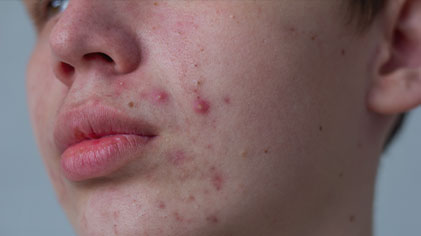
Services for Acne and Acne Scarring

Men's Services

Tattoo Removal
For More Information, Call Us
 843-277-2240

Innovative Laser Skin Services
in Isle of Palms, SC
If you have never had a laser skin treatment before, it might seem like a scary proposition at first. However, as many of our patients will tell you, procedures like laser hair removal can be life-changing. Laser skin services are not only effective - they're growing in popularity. According to a study, nearly 4.1 million laser skin services were performed in 2019. Whether you're looking to remove unwanted hair or achieve a more unified skin tone, laser services can help.
Some of the most requested laser skin services at Southern Cosmetic Laser include:
Laser Hair Removal in Isle of Palms, SC
Unwanted hair. You know it's there, and just about every day, you've got to shave, pluck, and tweeze your way to removing it. But what if we told you there was a permanent solution to reduce your unwanted hair problem?
At Southern Cosmetic Laser, our laser hair removal services target hair follicles giving your skin the smooth, silky feel you've may desire. Laser hair removal services save you time in shaving - a proposition that seemed impossible a few years ago.
Using the most up-to-date lasers for our services, we offer a permanent hair-reduction solution for all skin types, making it a quick, effective treatment for any ethnicity. Our state-of-the-art laser technologies emit a laser beam that penetrates your hair follicles, destroying the root while preserving your skin.

Our clients are ditching their razors and choosing our lasers to remove hair from their bikini lines, underarms,
upper lips, legs, arms, face, chest and back.
A few benefits of laser hair removal include:
- Eliminate Stubborn, Unwanted Hair
- Prevent Ingrown Hairs
- Quick and Effective
- Remove Bumps, Stubble, Irritation, and Razor Burn
- Smooth, Glassy Skin That You Will Love
- Affordable Plans from Southern Cosmetic Laser
If this is your first foray into laser hair removal services, you're probably wondering how it all works.
Don't worry; we've got you covered!
What is Laser Hair Removal?
Laser hair removal is a medical procedure that uses a laser, or concentrated beam of light, to remove unwanted hair on your body. During our laser hair removal services, the light from the laser is absorbed by the melanin in your hair. That light is then converted to heat, which damages your hair follicles, preventing future hair growth. Most laser hair removal services are quick and can be completed in about 30 minutes. This treatment can be accomplished during a lunch break or quickly after work.
What Happens During Laser Hair Removal Treatment?
Southern Cosmetic Laser hair removal involves several steps. Once you schedule an appointment, you will need to shave prior to your treatment. You will need to avoid plucking, waxing, threading and depilatory creams at least three weeks prior to treatment. During your day of treatment, the following will occur:
- Clean the treatment area to kill germs and bacteria
- Provide you with protective goggles or glasses to wear.
- Commence laser hair removal treatment using our cutting-edge lasers.
- A topical cooling product such as aloe may be applied after the treatment.
- Send you on your way feeling smooth and satisfied.
How Many Sessions Will I Need?
Services usually require an average of six to eight sessions with periodic touchups. However, sessions vary depending on your schedule and the area of your body that needs treatment. You may need more services on areas where hair grows quickly, like your upper lip. Some areas, like places on your back, will not require as many laser treatment sessions.
Skin Rejuvenation in Isle of Palms, SC
We offer the most advanced skin rejuvenation services for all skin types for both men and women. We believe in these 3 Basic Principles of Aging!
- Skin Integrity
- Toxins
- Dermal Fillers
At Southern Cosmetic Laser we can't turn back the hands of time, but we've seen by applying these three steps in a systematic approach you can achieve long lasting, amazing more youthful results. You may even have people say to you, "Wow, you look amazing! What's your secret?"
Natural aging and a lifetime of involuntary facial muscle actions contribute to the formation of tiny wrinkles, creases and fine lines that can make you look angry, tired or older than you feel. Over time skin loses volume, collagen and elastin and can become thinner and begin to sag.
At Southern Cosmetic Laser, our skin rejuvenation services are some of the most popular laser skin services offered. Skin rejuvenation is a non-surgical treatment that helps you look as vibrant as you feel. Unlike traditional cosmetic surgeries, proper skin rejuvenation doesn't require you to put your skin or health at risk to achieve beautiful results. Instead, our skin rejuvenation options are safe and offer multiple benefits for people suffering from skin defects like scarring, acne and aging.

We can rejuvenate your skin using a variety of laser skin services in Isle of Palms, including resurfacing, energy-based laser tightening and lifting, and other laser-based services.
There are numerous benefits to skin rejuvenation, including:
- Reduction of Wrinkles & Fine Lines
- Diminished Sunspots
- Acne Suppression
- Improvement of Acne Scars
- Redness and Rosacea Relief
Contact our office today to learn which one of our cutting-edge skin rejuvenation services is best for your lifestyle.

Skincare Injectables and Fillers
in Isle of Palms, SC
Dermal fillers have changed the face of the medical cosmetic industry. About 10 million dermal services are applied every year. Fillers are used in shaping the face, lifting, volumizing and minimizing wrinkles. Fillers replace fat and bone less, lift and support. When combined with laser skin services and neurotoxins our patients can stick to an easy regimen that helps them maintain gorgeous, smooth skin.
How Do Dermal Fillers Work?
Many of our patients know they want anti-aging services like fillers to help smooth out wrinkles and help lift. However, they don't know how dermal fillers, or injectables, work.
As people age, they lose collagen, elastin, and perhaps more importantly, hyaluronic acid. Hyaluronic acid helps retain moisture in your skin. Injectables that utilize hyaluronic acid and other substances help replace lost moisture, resulting in fuller, more radiant skin. Injectables and fillers can also help add extra volume to your lips and cheeks and firm up saggy skin.
Often, our patients see results after a single treatment, which can last as long as 9 to 18 months. Our patients choose Southern Cosmetic Laser because our fillers give a natural-looking result without affecting facial expressions, making for a discreet yet effective treatment.
Where Are Injectables Used?
We discuss and explain various types of fillers and decide which is best for you.
At Southern Cosmetic Laser, we offer personalized filler services for a number of problem areas, such as:
- Marionette Lines: These lines go directly down from the corners of your mouth and become more pronounced over time as your face loses volume.
- Cheeks: As you age, your cheeks lose volume, making you look gaunt and elderly. Our fillers plump up your cheeks, giving you a more youthful look without plastic surgery.
- Lips: Plumping up our patient's lips is one of our most popular injectable skincare services in Isle of Palms. Our lip filler services are customized to each patient's preference, meaning we can help with subtle enhancements or obvious upgrades.
- Jaw and jawline areas.
Anti-Aging Injectable Services in Isle of Palms, SC
Finding the right filler can be confusing, but our experienced medical team will work with you to discover the best treatment options for your goals. Some of our most popular injectable services include:

Dermal Fillers: Products such as Juvederm XC, Radiesse, Bellafill and Restylane are used for facial lifting and contouring. They are great for filling in thin lips, tightening saggy skin, helping with skin laxity, and more.

Botox: Botox and similar products like Jeuveau, Dysport, and Xeomin are wrinkle-smoothing neuromodulators that treat horizontal lines across the forehead. They are also very effective at reducing crow's feet and perpendicular frown lines between your eyebrows and other areas.
Nova Threads: This is another non-surgical option that can create an immediate facelift, which tightens and smooths your skin. Products like Nova Lyft and Nova Mesh are excellent if you have saggy skin, thin lips, or need collagen stimulation. We help you decided which is best for your face and skin type.

B12 Shots: B12 works wonderfully and promotes the growth of healthy skin cells, which repair damaged skin. Aging and certain medical conditions affect your body's ability to absorb B12, leaving you tired and forgetful. Regular B12 injections from Southern Cosmetic Laser help your body absorb the B12 it needs. That way, you're more alert during the day and benefit from healthier skin, nails, and hair.

Laser Tattoo Removal in Isle of Palms, SC
Getting a tattoo is an art. Removing a tattoo is another art. There are numerous variables that are considered in laser tattoo removal. Southern Cosmetic Laser is compassionate in helping rid those unwanted tattoos. We use superior technologies to customize services for the patient and their tattoo. We work with clients to provide optimal outcomes at affordable, comparable pricing. We want to spend your money wisely and want to achieve the best outcome possible with minimal services.
Professional and Efficient from First Encounter
From anti-aging fillers for your lips to precise laser hair removal along your bikini line, Southern Cosmetic Laser has the team and tools to serve you with excellence. When it comes to cosmetic dermatology and medical aesthetics, we take pride in our experience and passion. We provide more than quick, effective services - we give our patients a relaxing, comforting experience catered to their needs. Our unparalleled customer service and state-of-the-art laser skin services in Isle of Palms, SC, keeps our clients coming back.
We know that aging is inevitable, but that doesn't mean you have to succumb to the aging process. Call or click today to learn more about the Southern Cosmetic Laser difference and how we have thrived for over 18 years as Isle of Palms's premier skincare and anti-aging treatment center.
843-277-2240
Book Appointment
Latest News in Isle of Palms, SC
New waterfront park coming to Isle of Palms this year
Autumn Kleinhttps://www.live5news.com/2024/02/05/new-waterfront-park-coming-isle-palms-this-year/
ISLE OF PALMS, S.C. (WCSC) - The Isle of Palms City Council in 2020 voted to make additions to the marina area of the island and that project is officially slated to be completed this year.The project included the addition of a public dock, a boardwalk and a waterfront park and greenspace. The boardwalk and public dock have been completed, and, as of Jan. 11, the construction contract for the waterfront park and greenspace was officially confirmed.The waterfront park will cover the 300 by 25 foot wide area along the marina faci...
ISLE OF PALMS, S.C. (WCSC) - The Isle of Palms City Council in 2020 voted to make additions to the marina area of the island and that project is officially slated to be completed this year.
The project included the addition of a public dock, a boardwalk and a waterfront park and greenspace. The boardwalk and public dock have been completed, and, as of Jan. 11, the construction contract for the waterfront park and greenspace was officially confirmed.
The waterfront park will cover the 300 by 25 foot wide area along the marina facing the Intracoastal Waterway. There will be a 6-foot wide concrete walkway. The park will include a large lawn area with lush planting.
They plan to include a series of benches along the waterfront walkway so residents can enjoy views of the water and boating activities. There are plans for a circular seat wall near the public dock that would create an entrance to the dock area.
They plan to include a kayak storage area and a kayak launch area. There will be golf cart parking available as well as bicycle parking areas.
All of these plans did require collaboration and participation from the marina manager and restaurant tenants. Scott Toole, the general manager of the Outpost, a nearby restaurant, says he is very excited for this addition to the area.
“I think that it’s an added benefit to the island, to the residents, everybody, to have a space and to use the dock. Kayak launching is a big thing that I think people will take advantage of.” he says. “It’s really going to help make this area kind of a place of interest for people, sort of a destination so to speak, for people to be able to get some food, get some drink, watch the water and use the dock that’s right there.”
Toole says they very recently renovated the Outpost and he’s excited to see this new project bring more people to the area. He says he feels like this area of Isle of Palms is often overlooked as it is a little ways away from the main beach.
“We’ve kind of joked that it’s a small corner of the island and so, anything that’s bringing people down this direction is good for everybody. We’re excited to see this project take place,” he says.
The project is currently slated to be completed by May of this year. To provide City Council your input on this project you can click here.
Copyright 2024 WCSC. All rights reserved.
Isle of Palms voters to decide on new short-term rental limits
David Slade dslade@postandcourier.comhttps://www.postandcourier.com/politics/local_politics/isle-of-palms-sc-to-vote-on-limiting-short-term-rentals/article_b4f8c3d4-6d39-11ee-aeb9-4b7ea0878ca0.html
ISLE OF PALMS — A bumper crop of yard signs has sprouted across this barrier island as voters prepare for a referendum Nov. 7 that could limit short-term rental licenses.It's the latest skirmish in a much broader fight over the future of these sorts of vacation usages that's been playing out across South Carolina.“If nothing else, we are keeping the sign business afloat," said Mayor Phillip Pounds.Isle of Palms is among the communities on the frontlines — all places where high demand from vacatione...
ISLE OF PALMS — A bumper crop of yard signs has sprouted across this barrier island as voters prepare for a referendum Nov. 7 that could limit short-term rental licenses.
It's the latest skirmish in a much broader fight over the future of these sorts of vacation usages that's been playing out across South Carolina.
“If nothing else, we are keeping the sign business afloat," said Mayor Phillip Pounds.
Isle of Palms is among the communities on the frontlines — all places where high demand from vacationers fuels the short-term rental business. Charleston, Mount Pleasant, Folly Beach and Beaufort limit such rentals; Sullivan's Island prohibits them; Myrtle Beach doesn't allow new ones in residential neighborhoods.
The Isle of Palms referendum calls for imposing a 1,600 cap on short-term rental licenses for investors and second-home owners. There would continue to be no cap for homes that are the owners' primary residence.
It's about preserving the island's quality of life, say supporters. More than 30 percent of the city's registered voters signed a petition to get the referendum on the ballot.
“We have a growing number of short-term rental licenses in residential communities," said Randy Bell, a former councilman working with pro-referendum group Preserve Isle of Palms Now. "We are trying to maintain the one-third, one-third, one-third split between full-time residents, second homes and rental properties."
Opponents say it's really about property rights and property values. An investment property or second home could be harder to sell, and worth less, if there's no certainty it could be used for short-term rentals.
“What are we trying to solve?" said Hugh Swingle, an island resident whose family business is Palm Blvd Vacation Rentals. "We just don’t see that there’s an actual problem.”
The city had issued 1,625 licenses to property owners who are not full-time residents as of early October, and if the referendum were to pass, no new ones would be available until the number drops below 1,600.
"Obviously, we don't think it's good," said Ryan Buckhannon, president of the Isle of Palms Chamber of Commerce. He's a former councilman who owns an investment property licensed for short-term rentals.
Supporters and detractors of the referendum have set up websites, put out yard signs and sent mailings.
Isle of Palms United opposes the cap and claims on its website, iopunited.com, that taxes "have to" go up and property values will go down if the referendum were to pass. That group and others claim property values plunged 25 to 30 percent on Folly Beach after a February voter referendum capped short-term licenses there at 800.
Charleston Trident Association of Realtors data gives reason to question such claims. According to CTAR data, the median price of a house sold on Folly Beach in 2023 through September was down 14.9 percent, but the median price of a condo or townhouse sold there was up 28.2 percent.
“There’s no basis for the claim that property values will plummet by 40 percent," said Bell.
Swingle, who is affiliated with Isle of Palms United, said a cap could be a big problem for people who want to sell a property in the years ahead.
“If there were a cap in place, and you own one of those tiny condos and you went to sell it, you could have a really hard time without a (short-term rental) license," he said.
Swingle expects the vote to be close.
Preserve Isle of Palms Now supports the referendum, which the group says on preserveiop.org is about keeping the island a great place to live and preserving its residential nature by not allowing unlimited short-term rentals.
"IOP residents are either already experiencing or can foresee future problems with water and sewer capacity, traffic & parking congestion, environmental impacts, and the availability of long-term rental housing," the group's website says.
The Palm Republic, an organization created by former Isle of Palms Mayor Jimmy Carroll and current Councilman Blair Hahn, has also created programming opposing the referendum. Hahn even alleged in a YouTube video that referendum supporters have talked about driving down property values in order to get deals on real estate.
The island has long been known as a place to rent a house or condo at the beach, or to have a second home that could be rented out for much of the year.
Full-time residents own about a third of the homes, and they can rent out those homes for up to 72 days each year if they have a short-term rental license. As of early October, 184 owner-occupied homes on Isle of Palms had short-term rental licenses.
“It’s a vacation spot, and has always been a rental community, to some extent," said Pounds, the mayor, who declined to say how he will vote. "We have 1,400 condos, give or take."
That's a lot on an island with about 4,400 residents. Most of those condos are in Wild Dunes or former hotels in the commercial area along the beachfront, and most are for rent. Many single-family homes across the island are also licensed for short-term renters.
While full-time residents are the minority of property owners on the island, they are the only people who can vote.
The referendum is on the ballot because of a petition signed by 1,173 of the city's 3,740 registered voters. That petition put a short-term rental ordinance before City Council, and after the council declined to pass that ordinance in July, it became a ballot referendum.
If the referendum were to pass, the ordinance would take effect.
The Isle of Palms yes/no referendum question is: "Shall the City of Isle of Palms limit the investment short term rental business licenses to a maximum of 1,600?"
Across the marsh in neighboring Mount Pleasant, which has more than 94,000 residents, just 400 short-term rental permits are allowed.
Supporters of short-term rentals hope state lawmakers will act to prohibit and invalidate any local restrictions in 2024. A measure aimed at limiting local governments' ability to restrain short-term rentals failed earlier this year.
Folly Beach earlier this year imposed a short-term rental cap following a referendum. Folly Beach has fewer than half as many residences as Isle of Palms, and the town now has an 800-license limit on short-term rentals.
Isle of Palms would have 1,600, plus as many licenses as full-time residents want for their homes, if the referendum were to pass. Residents will also choose four City Council members in the election, from eight candidates.
Get the latest political news from The Post and Courier in your inbox.
Reach David Slade at 843-937-5552. Follow him on Twitter @DSladeNews.
Whose beach is it? Isle of Palms homeowner, state at odds over unauthorized 'sea wall'
Anna Sharpe asharpe@postandcourier.comhttps://www.postandcourier.com/news/illegal-seawall-isle-of-palms-iop-dhec-rom-reddy/article_f7ec7734-c6b3-11ee-a134-8b6c56b6ff22.html
ISLE OF PALMS — Record tides from an unexpected nor'easter in December ripped away several feet of sand on this barrier island, exposing an unauthorized, clandestine wall in front of a beachfront home near Breach Inlet.The wall's unveiling also spawned a power struggle between the state Department of Health and Environmental Control and the Ocean Boulevard homeowner, with the two at odds over property rights and protecting the diminishing shoreline....
ISLE OF PALMS — Record tides from an unexpected nor'easter in December ripped away several feet of sand on this barrier island, exposing an unauthorized, clandestine wall in front of a beachfront home near Breach Inlet.
The wall's unveiling also spawned a power struggle between the state Department of Health and Environmental Control and the Ocean Boulevard homeowner, with the two at odds over property rights and protecting the diminishing shoreline.
SC Climate and Environment News
This is all playing out on a sandy beach where waves are clawing closer to multi-million dollar homes amid heavy erosion caused by storms and high tides.
The home at the center of the dispute belongs to Rom Reddy, owner of the multimedia local news outlet MyLo News. After taking a beating from Hurricane Idalia last year, Reddy said he installed the wall as a erosion control barrier and covered it with 30 feet of sand.
The December nor'easter washed away the sand, uncovering the bulwark.
While performing post-storm damage assessments, DHEC became aware of the structure.
Some call it a sea wall, which the state defines as a retaining wall designed to withstand wave forces. Reddy maintains his wall isn't a sea wall, as it was never meant to be exposed to the ocean. It was meant to be buried beneath the sand to protect his home's foundation and yard, he said.
"This keeps my yard stable and keeps it from moving around, which is what a retaining wall does. If we have a catastrophic event, it gives my property some protection, although a very nominal level, because it's not meant to be ocean facing," Reddy said.
Reddy said the nor'easter left the wall tilting and unstable, prompting him to have it rebuilt. In response, DHEC sent a cease-and-desist letter in January to halt the construction.
Cease he did not. Construction on the wall continues to move full steam ahead and shows no sign of slowing down.
Reddy said it is his right as a property owner to protect his home. The area landward of the setback line is his to do with as he pleases, he said, citing South Carolina's Coastal Tidelands and Wetlands Act.
Not so, according to DHEC's division of Ocean and Coastal Resource Management.
The sand in front of Reddy's property is considered a critical area, the agency said, and any alteration of a critical area requires permits from OCRM, even critical areas that are landward of the jurisdictional setback.
DHEC spokesperson Laura Renwick said the agency regularly issues permits for work in these areas, though it is unlikely Reddy's wall would have been approved.
"Since erosion control structures and devices such as the one identified at this property have been banned per state law since 1988, this structure would not have been permitted," Renwick said.
Today's Top Headlines
Isle of Palms officials said they are aware of the structure, which violates a city ordinance prohibiting hard erosion control measures like sea walls, bulkheads and revetments. But in the case of Reddy's unauthorized structure, the city said its hands are tied. Jurisdiction of that area, and much of the island's critical areas, fall under DHEC, said Mayor Phillip Pounds.
"In this particular case, the OCRM has claimed jurisdiction, so that takes the city out of the mix, and it is up to them to enforce the state-level rules. We are relying on the state to enforce their rules that prevent structures like this being built per their cease-and-desist orders," Pounds said.
Judges in two cases in recent years have sided with homeowners who built walls or placed sandbags along eroding sections of the South Carolina coast.
While Reddy is facing pushback from DHEC, some of his neighbors are behind him. Paul Jorgensen, who owns the property adjacent to Reddy, said he doesn't love what is being erected next door, but he understands his neighbor's mindset. Working with the city and the state to get approval for protective measures has left him feeling frustrated.
"The city and the state have been utterly horrible at handling the situation. Not only have they been utterly horrible at managing, they won't even let us help ourselves," Jorgensen said.
Jorgensen said the preventative measures the city does take on aren't enough.
Ongoing restoration and protection efforts on the island include continuing sand scraping and sandbag placements on the island that began under an emergency order following Hurricane Idalia in September. City Council gave the efforts a boost in October, allotting $1.25 million to continue sand scraping along the beaches to rebuild the dunes. Council also budgeted $250,000 for installing sandbags on properties within 20 feet of erosion areas.
"The city and the state are not doing nearly enough, and, in fact, are preventing homeowners from protecting our own property," Jorgensen said.
South Carolina hasn't allowed structures like Reddy is building since enacting the Beachfront Management Act in 1988, citing a "false sense of security" the measures give to beachfront property owners while simultaneously aiding in further erosion.
Structures like sea walls block the ability of a wave to break naturally, pushing its force onto adjacent properties. The energy bounces back off of the wall, pulling the sand and eroding the beach on the seaward side. Emily Cedzo, director of conservation programs and policy for the Coastal Conservation League, said softer measures for preventing erosion, like sand fencing and larger restoration projects, are ideal for protecting beaches.
"Those are really the ideal ways to manage a beach responsibly so that it can provide good protection for private properties, but also public access and wildlife habitat," Cedzo said.
With multiple cease-and-desist directives, DHEC could begin to dole out fines or penalties.
"When DHEC identifies violations of applicable state laws or regulations, the agency has the authority to initiate an enforcement process that may result in the issuing of a civil penalty to the responsible party, among other actions," Renwick said.
Some think it's time for DHEC to take action.
"I think DHEC is going to have to move forward with enforcement. I don't know what their process or timeline looks like, but I think it's clear that they've already tried to communicate with the property owner," Cedzo said. "I know that several residents on the Isle of Palms are really concerned about it and continue sending reports."
Reddy said the cease-and-desist directives from DHEC won't deter him.
"They have to go in front of a judge and prove to the judge that we're, in fact, breaking the law. And we're ready for that," Reddy said.
Reach Anna Sharpe at 843-806-6790.
Isle of Palms noise ordinance up for discussion after questions from businesses
Meredith Blairhttps://www.live5news.com/2024/02/16/isle-palms-noise-ordinance-up-discussion-after-questions-businesses/
ISLE OF PALMS, S.C. (WCSC) - Big changes could be coming to the noise ordinance on Isle of Palms as city leaders hope to make the rules more clear.The city’s noise ordinance currently doesn’t list specific limits. A proposal would establish set decibel levels based on the time and day of the week as well as the area:Isle of Palms business owners got the chance to see the numbers and ask questions on Friday.“We want them to understand that they have a voice, we want to hear from them,” Police Chief...
ISLE OF PALMS, S.C. (WCSC) - Big changes could be coming to the noise ordinance on Isle of Palms as city leaders hope to make the rules more clear.
The city’s noise ordinance currently doesn’t list specific limits. A proposal would establish set decibel levels based on the time and day of the week as well as the area:
Isle of Palms business owners got the chance to see the numbers and ask questions on Friday.
“We want them to understand that they have a voice, we want to hear from them,” Police Chief Kevin Cornett said. “Anything that is going to impact businesses we want them to be able to come to us and say what they think about it.”
One area resident, who only identified himself as Paul, says the noise ordinance needs to have a balance.
“Obviously, late at night you don’t want people making a lot of noise walking up and down the streets while residents are trying to go to bed, but at the same time this is a vacation spot, so you have to have a little bit on leeway for people to enjoy themselves but also be respectful,” he said.
Cornett says they’re working to find a solution that will work for businesses and residents and increase livability for everyone.
Cornette says noise is a hot topic on the island and he values feedback on this from both residents and business owners.
“Everybody is very much invested in this conversation,” Cornett said. “The city council is taking it very seriously and they are going around and talking to people to get their input. So, I think they are doing a great job on making sure voices are heard so that when we get the final project it’s fair and something that will work for everybody.”
Officers use a calibrated decibel reader when called out to a noise complaint.
“That’s how we determine if it’s a violation and then we would take other factors into account like background noise to keep the realistic approach to is as well,” Cornett said.
The public safety committee has to create a final draft before it will head to the city council for two separate readings.
Copyright 2024 WCSC. All rights reserved.
DHEC takes Isle of Palms seawall fight to court
Erin Morganhttps://www.counton2.com/news/the-investigators/dhec-takes-isle-of-palms-seawall-fight-to-court/
ISLE OF PALMS, S.C. (WCBD) — The ongoing conflict between the South Carolina Dept. of Health and Environmental Control (DHEC) and a homeowner on the Isle of Palms has now gone to court.After storms in August and December 2023 led to significant beach erosion, Rom Reddy, an oceanfront property owner, took matters into his own hands by building a wall to prot...
ISLE OF PALMS, S.C. (WCBD) — The ongoing conflict between the South Carolina Dept. of Health and Environmental Control (DHEC) and a homeowner on the Isle of Palms has now gone to court.
After storms in August and December 2023 led to significant beach erosion, Rom Reddy, an oceanfront property owner, took matters into his own hands by building a wall to protect his property near Breach Inlet from beach erosion.
However, earlier this month, DHEC officials told News 2 that anything built on critical areas of the coast, like beaches, needs a permit. They added that after investigating Reddy’s wall, they issued Reddy and the contractor cease and desist directives because it was an “unauthorized structure.”
However, DHEC officials said Reddy’s work on the wall continued even after the directives were issued.
Now, attorneys for DHEC have taken the battle to court, filing a temporary restraining order (TRO) and petition for injunctive relief in South Carolina Administrative Law Court.
“Due to the Respondents’ egregious disregard of OCRM’s Notice to Comply and the two Cease and Desist Directives, the Department has no adequate remedy at law other than to seek judicial intervention to compel the Respondents to immediately cease their unauthorized actions in the critical area,” the court filing reads.
This week, Reddy’s lawyers responded to the agency’s court filings requesting that the judge deny the motion for a TRO and petition for injunctive relief.
Reddy’s lawyers argue that his wall is not located in a critical area and that DHEC lacks the subject matter jurisdiction to issue the cease and desist in the first place. “In issuing these directives, Petitioner [DHEC] is unilaterally and unfairly extending its jurisdiction to convert private property into a public beach,” the court filing reads.
They also say that the cease and desist is a moot point because no ongoing work was being done when DHEC filed the TRO. “Petitioner [DHEC] seeks a TRO and injunctive relief to allegedly stop Respondents from ‘continuing to install a hard erosion control structure adjacent'” to the Property. As of the date of this filing, no ongoing work is being done on the Property: therefore, Petitioner’s cease-and-desist directives are moot,” they wrote.
Reddy’s attorneys also filed a countersuit against DHEC and the city of Isle of Palms with several claims, including that they violated Reddy’s constitutional rights. “DHEC has engaged in actions and inactions that have converted Respondents· private property into a public beach without justcompensation in violation of the South Carolina Constitution and the United States Constitution,” they argue.
Reddy’s attorneys also claim that DHEC and Isle of Palms leaders failed to maintain the beach near his property. In the court filing, they write, “DHEC also fails to note that prior to the Idalia storm damage, in June of 2023, Respondents sent various letters and notices of the vulnerability of the Isle of Palms properties due to improper beach renourishment by Isle of Palms and Petitioner [DHEC].”
Reddy’s lawyers also requested the case be moved to circuit court for a jury trial.
News 2 reached out to Reddy for comment about the court filings. In a statement, he said “state jurisdiction over private property is set by the SC General Assembly and last approved in 2018. DHEC, a state agency has illegally taken upon itself the task of claiming jurisdiction property by property based on a single storm. This provides Government unlimited and varying jurisdiction over private land. This is unconstitutional and will not stand”.
When News 2 asked DHEC for comment, an agency spokesperson responded “DHEC doesn’t comment on pending litigation. DHEC’s Petition For Injunctive Relief and Motion for TRO and Preliminary Injunction explain in detail the Department’s position.”
The Chief Administrative Law Judge has set a hearing date on April 18 for DHEC’s motions. Both Reddy and DHEC will present their evidence at this time.
Disclaimer: